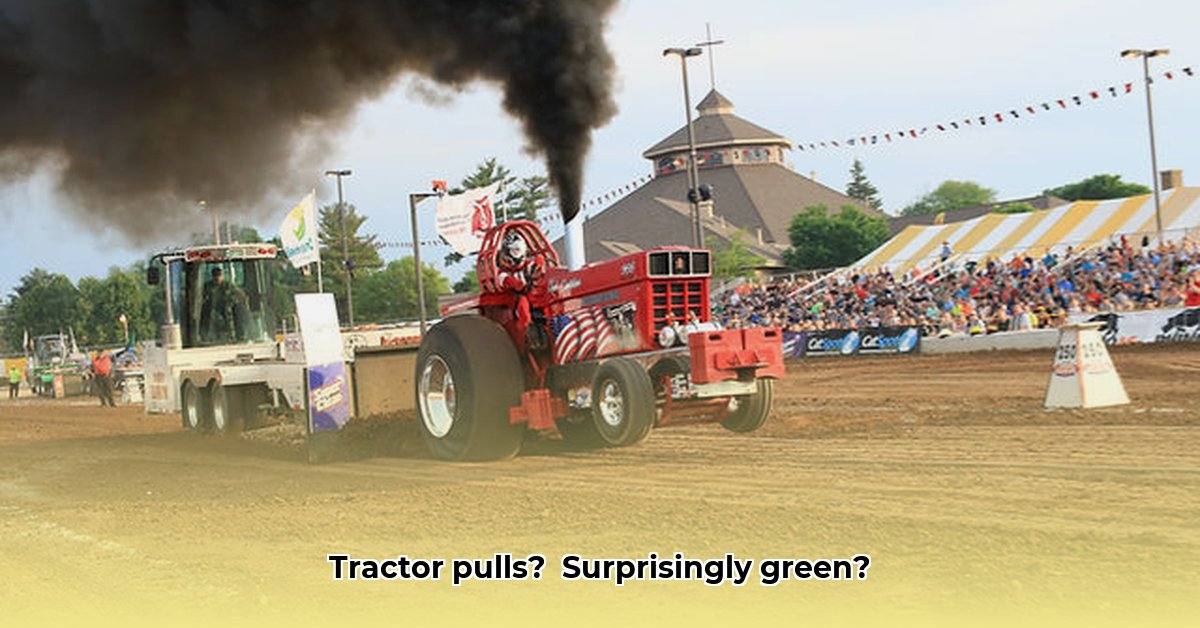
Tractor pulls, a thrilling display of agricultural prowess, are deeply ingrained in rural culture. But the powerful machines and large-scale events raise questions about their environmental impact. Can this beloved tradition adapt to a more sustainable future? This article explores the intersection of tractor pulls and sustainable practices. Find local events near you with this helpful resource: Find events near me.
The Energy Equation: Fueling the Fun Responsibly
The massive tractors used in tractor pulls consume significant fuel, resulting in substantial carbon emissions. The roar of the engines and the smell of exhaust are testaments to their power, but this power comes at an environmental cost. How can we reduce this footprint? Could biofuels, derived from renewable sources, offer a cleaner alternative? Or might electric tractors, with their zero tailpipe emissions, one day become standard? This transition would require innovation in track design and competition rules, presenting a challenge worth considering. The potential for such a shift is a topic of ongoing debate amongst enthusiasts and researchers.
Environmental Footprint: More Than Just Mud
Beyond fuel, tractor pulls have broader environmental implications. Large-scale events require considerable land, potentially leading to soil compaction and increased ground erosion. Spectator traffic contributes to air and noise pollution. Minimizing these effects requires strategic planning. Improved waste management, optimized venue selection, and limited vehicular access are crucial. Additionally, investments in carbon offsetting programs might offer a way to compensate for emissions; however, the effectiveness of such programs remains a topic of ongoing discussion. While comprehensive research on the precise impact is lacking, the need for environmentally conscious practices is undeniable.
Economic Sustainability: Balancing the Books and the Planet
Tractor pulls often generate significant economic benefits for host communities, attracting tourists and boosting local businesses. Yet, the long-term economic viability hinges on factors like fuel costs and stricter environmental regulations. Increased fuel efficiency innovations, including the adoption of alternative fuels, could improve the cost-effectiveness of tractor pulls for competitors and event organizers. Some believe that integrating energy-efficient or sustainable farming technology demonstrations into events could also attract new sponsors, broadening the appeal. The key is to find innovative ways to ensure the economic success of these traditions while minimizing environmental impact.
Community and Culture: Honoring Tradition, Embracing Change
Tractor pulls are deeply intertwined with the cultural heritage of many rural communities. They serve as social gatherings, celebrations of agricultural tradition, and community-building events. This cultural significance should be preserved. One approach is to integrate educational initiatives about sustainable farming practices into the events themselves. This could foster a mutually beneficial relationship, upholding traditions while promoting environmental responsibility. The aim is not to eliminate the events but to adapt them to meet the challenges of a changing world.
Charting a Course Towards Sustainability: Practical Steps
Several strategies can help reduce the environmental impact of tractor pulls:
Fuel Efficiency Improvements: Utilizing tractors with advanced, more fuel-efficient engines can significantly reduce fuel consumption and emissions. However, this may involve considerable upfront costs for new equipment.
Biofuel Exploration: Transitioning to biofuels, possibly sourced from agricultural waste, presents a promising pathway to reduced emissions. Challenges include establishing sufficient production and reliable supply chains.
Electric Tractor Integration: Introducing electric tractors into competitions, perhaps in a separate class, offers a zero-emission option. Technological limitations in the power and performance of currently available electric tractors currently pose a hurdle.
Emissions Offsetting: Investing in verified carbon offsetting projects can compensate for emissions. The effectiveness and true environmental impact of these offsets need careful evaluation.
Sustainable Event Management: Implementing robust waste management systems, minimizing land use disruption, and limiting vehicle access can reduce the overall environmental footprint of the event, requiring careful planning and stakeholder cooperation.
A Vision for the Future: Tradition and Sustainability Together
The future of tractor pulls lies in balancing tradition with environmental stewardship. This isn't about eliminating these events but fostering a sustainable model. It requires collaboration between organizers, competitors, researchers, and community members. By proactively implementing and exploring sustainable strategies, we can ensure the exciting spectacle of tractor pulls continues to thrive for generations, minimizing its environmental footprint. Continued research and technological innovation will further refine the path towards a more sustainable future for these cherished events.